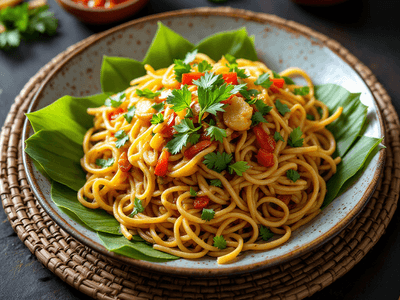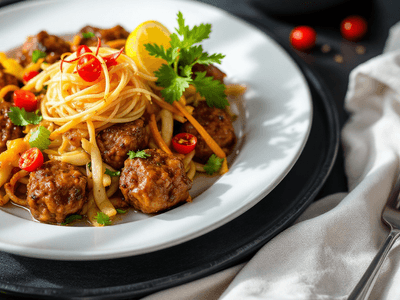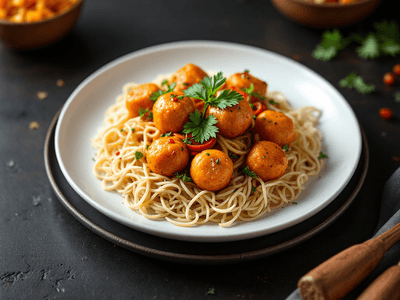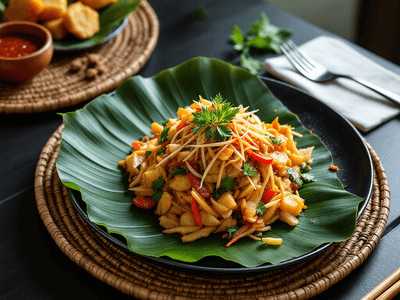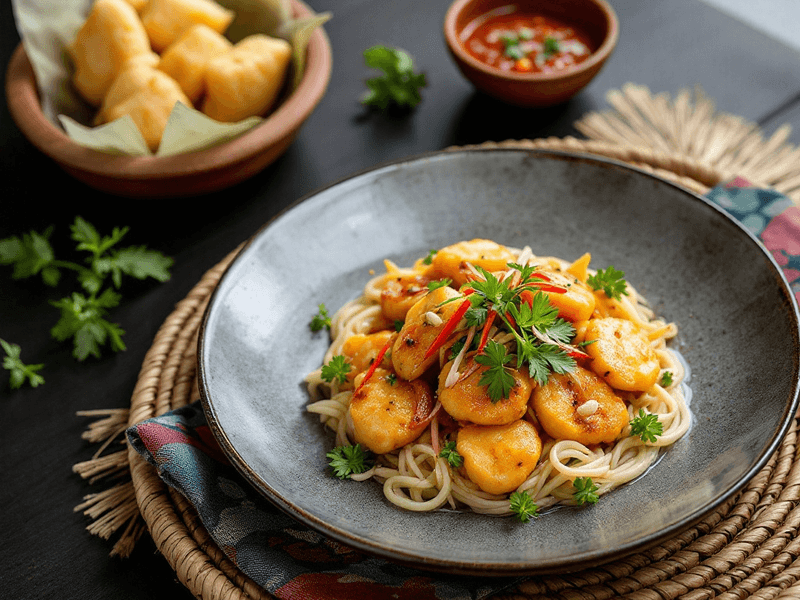
Pempek
Camilan • Indonesia
Tentang Pempek
Pempek adalah makanan khas Palembang yang terkenal di seluruh Indonesia, biasanya dijajakan di warung maupun kaki lima, dan kerap menjadi pilihan cemilan atau lauk pelengkap makan siang. Pempek terbuat dari campuran ikan tenggiri dan sagu, lalu dibentuk dan direbus, kadang digoreng sebelum disajikan. Pempek dinikmati bersama cuka atau kuah cuko khas Palembang yang pedas, asam, dan manis, serta dilengkapi potongan timun dan mi kuning. Dalam satu porsi 100 gram, kandungan kalorinya sekitar 175 kcal—cukup ringan jika dikonsumsi sebagai cemilan, tapi bisa bertambah jika ditambah mi atau dipilih versi pempek yang digoreng. Untuk menjaga asupan, pempek rebus lebih sehat dibanding gorengan, dan cuko segar tanpa gula tambahan direkomendasikan bagi yang memperhatikan kalori harian. Pempek biasanya tersedia dalam berbagai bentuk seperti pempek lenjer, kapal selam (yang berisi telur), atau adaan. Kapal selam berisi telur cenderung lebih tinggi protein, tapi juga bisa lebih berat kalorinya tergantung ukuran. Jika memesan di warung atau kaki lima, pilih porsi sedang dan cuko secukupnya untuk sensasi asli Palembang. Pempek cocok untuk dijadikan cemilan sore maupun lauk tambahan, dan paduannya dengan cuko membuat rasa ikan semakin khas.
How to Make Pempek (Traditional & Healthy Version)
Pempek is a beloved traditional snack from the vibrant city of Palembang, South Sumatera, Indonesia. This iconic dish consists of chewy fish cakes made from a blend of fresh fish and tapioca flour, served with a tangy, spicy vinegar sauce called cuko. Renowned for its unique texture and bold flavors, Pempek is a staple in Indonesian street food culture and is enjoyed by people of all ages. The combination of the savory fish cake and the sharp, aromatic cuko creates a delightful symphony of taste and aroma that is truly unforgettable. Originating from South Sumatera, Pempek reflects the region’s rich culinary heritage and the abundance of freshwater fish in the Musi River. It's more than just a snack—Pempek is often shared among family and friends during gatherings, making it a symbol of togetherness and local pride. Its adaptability for various dietary preferences and its satisfying, protein-rich profile make Pempek an excellent choice for those seeking an authentic Indonesian gastronomic experience. Enjoying Pempek offers a delicious way to explore the tastes of Indonesia, while being mindful of health and nutrition.
Ingredients(for 2-3 pieces of Pempek with cuko sauce)
- 200g Fresh mackerel fillet (ikan tenggiri)
- 100g Tapioca flour (tepung tapioka)
- 2 cloves Garlic
- 1 Egg (for binding)
- 1 tsp Salt
- 1/2 tsp Sugar
- 60 ml Water
- 2 tbsp Vinegar (for cuko sauce)
- 30g Palm sugar (gula aren)
- 3 Bird’s eye chili (cabai rawit, adjust to taste)
- 1 tsp Tamarind (asam Jawa) - optional
- 1/2 Cucumber (diced, for garnish) - optional
- 1 tbsp Fried shallots (for garnish) - optional
Instructions
- 1
Blend the mackerel fillet, garlic, salt, sugar, and egg in a food processor until a smooth paste forms.
5 minutes
Ensure the fish is cold to help the mixture bind better.
- 2
Transfer the fish paste to a bowl. Gradually mix in tapioca flour and water until a dough forms. Avoid overmixing to maintain a chewy texture.
5 minutes
Add flour slowly to control dough consistency.
- 3
Shape the dough into oval or cylindrical pieces. For 'Pempek Kapal Selam', flatten a piece, add a spoon of beaten egg, and seal carefully.
5 minutes
Wet your hands with water to prevent sticking.
- 4
Bring a pot of water to boil. Boil the shaped Pempek pieces until they float (about 8 minutes). Remove and drain.
8 minutes
Do not overcrowd the pot; cook in batches if needed.
Why This Dish is Healthy
This healthy Pempek recipe is steamed or lightly pan-fried instead of deep-fried, significantly reducing its fat content. Using fresh fish ensures a lean protein source, while minimal oil and natural seasonings keep the dish wholesome and flavorful. The absence of artificial additives and the inclusion of nutrient-rich ingredients support heart health, muscle maintenance, and overall wellness. Enjoying Pempek in moderation can fit well into a balanced, calorie-conscious diet.
Pempek is a nutritious Indonesian snack, high in protein due to the use of fresh mackerel. Fish provides essential omega-3 fatty acids, vitamins B12 and D, and minerals like selenium and phosphorus. The tapioca flour supplies carbohydrates for energy without excessive calories. The cuko sauce, made with vinegar, palm sugar, and chili, is low in fat and adds antioxidants and vitamin C. Garnishing with cucumber adds fiber and additional micronutrients, making this dish a balanced choice for a light meal or snack.
Pro Tips
- 💡Use fresh, cold fish for the best texture and flavor.
- 💡Do not overmix the dough to prevent it from becoming tough.
- 💡Customize the spiciness of cuko sauce according to your preference.
Storage & Serving
Store boiled Pempek in an airtight container in the refrigerator for up to 3 days. Cuko sauce can be refrigerated separately for up to a week. Reheat Pempek by steaming or lightly pan-frying before serving.
Best served: Breakfast or Lunch
Nutrition Facts
| Nutrient | Per 100g |
|---|---|
| Energy | 175.0 kcal |
| Protein | 10.0 g |
| Carbohydrates | 22.0 g |
| Total Fat | 5.0 g |
| Fiber | 0.0 g |
Cultural Notes
Pempek adalah ikon kuliner Palembang, sering ditemukan di warung dan kaki lima di seluruh Indonesia. Kuah cuko asli menjadi ciri utama pempek yang membedakannya dari cemilan lain.