Nasi Kuning
Sarapan • Indonesia
Tentang Nasi Kuning
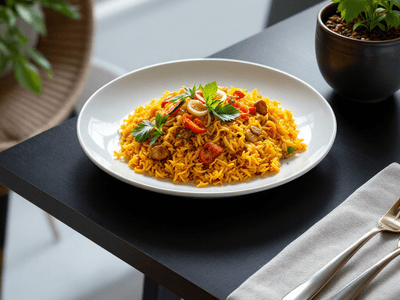
Nasi Kuning adalah hidangan khas Indonesia yang berasal dari berbagai daerah, namun terkenal di Sulawesi Selatan dan Jawa. Warna kuning berasal dari penggunaan kunyit yang dicampur ke dalam nasi, memberikan aroma rempah lembut dan rasa gurih. Di warung atau kaki lima, nasi kuning sering disajikan sebagai menu sarapan dengan lauk pelengkap seperti ayam suwir, telur balado, abon, perkedel, serta sambal goreng kentang. Penyajiannya kerap dibungkus daun pisang, menciptakan aroma khas yang menggoda saat membuka bungkusan. Dalam 100 gram nasi kuning mengandung sekitar 195 kalori, 33 gram karbohidrat, dan 5 gram lemak total. Kandungan energinya cukup tinggi jika dibandingkan dengan nasi putih biasa karena nasi kuning biasanya dimasak dengan santan. Jika kamu sedang menjaga asupan kalori ("kalori nasi kuning"), batasi porsi dan pilih lauk yang lebih ringan seperti telur rebus atau tempe orek, daripada ayam goreng atau perkedel. Nasi kuning cocok untuk mengawali hari dengan energi, tapi sebaiknya disantap sewajarnya bila kamu menghindari makanan berat di pagi hari.
How to Make Nasi Kuning (Traditional & Healthy Version)
Nasi Kuning, meaning 'yellow rice', is a celebrated breakfast dish in Indonesia, renowned for its vibrant golden color and aromatic flavor. Traditionally, the rice is infused with turmeric and coconut milk, creating a rich, fragrant, and visually appealing meal. Its origins are deeply rooted in Indonesian culture, often served during festive occasions, ceremonies, and as a symbol of good fortune and prosperity. The gentle spice and subtle sweetness make Nasi Kuning a delightful option for both locals and international food lovers. The taste of Nasi Kuning is a harmonious blend of earthy turmeric, creamy coconut, and the natural sweetness of rice. It is commonly enjoyed with various vegetarian side dishes, but this healthy version focuses on wholesome ingredients and lighter preparation. Whether you are looking to explore Indonesian cuisine or searching for a nutritious breakfast, Nasi Kuning is a fantastic choice. Its simple preparation and enchanting flavors make it ideal for anyone seeking authentic Indonesian meals that are both delicious and mindful of their health.
Ingredients(for 1 cup cooked Nasi Kuning per person)
- 1 cup Long-grain rice (beras)
- 1 teaspoon Turmeric powder (kunyit)
- 3/4 cup Light coconut milk (santan)
- 1 cup Water
- 1 leaf Pandan leaf (daun pandan)
- 1 stalk Lemongrass stalk (serai, bruised)
- 1/2 teaspoon Salt
- 1 leaf Bay leaf (daun salam) - optional
- 1/4 cup Shredded carrot (optional for added nutrition) - optional
- 1/2 cup Cucumber slices (for serving) - optional
Instructions
- 1
Rinse the rice thoroughly under cold water until the water runs clear to remove excess starch.
5 minutes
Use a fine mesh strainer for quick rinsing and better texture.
- 2
Combine rice, turmeric powder, coconut milk, water, pandan leaf, lemongrass, and salt in a pot. Optionally add bay leaf and shredded carrot.
5 minutes
Bruise the lemongrass to release more aroma.
- 3
Stir well and bring the mixture to a gentle boil over medium heat. Once boiling, reduce heat to low.
5 minutes
Stir occasionally to prevent sticking.
- 4
Cover the pot and simmer for 15 minutes, or until the rice is cooked and liquid absorbed. Remove from heat and let it rest, covered, for 5 minutes.
15 minutes
Do not lift the lid during cooking for fluffy rice.
Why This Dish is Healthy
This healthy Nasi Kuning recipe is a great choice for calorie-conscious individuals. By using light coconut milk, reducing oil, and adding vegetables, it maintains authentic flavor while boosting nutritional value. It's a fiber-rich, plant-based dish that supports digestion, heart health, and overall wellness. Ideal for a balanced breakfast or lunch, it provides essential nutrients without excess calories.
Nasi Kuning is rich in complex carbohydrates from rice, offering sustained energy perfect for breakfast. Turmeric provides anti-inflammatory benefits and antioxidants, while coconut milk adds healthy fats and immune-boosting lauric acid. Lemongrass and pandan contribute additional vitamins, minerals, and aromatic compounds. Using light coconut milk and skipping fried accompaniments keeps calories and saturated fat low. This vegetarian recipe is also gluten-free, making it suitable for most diets.
Pro Tips
- 💡Tip 1: Use fresh pandan and lemongrass for the most aromatic results.
- 💡Tip 2: For a lighter dish, opt for low-fat coconut milk or dilute regular coconut milk with water.
- 💡Tip 3: Add a pinch of black pepper to enhance turmeric absorption and flavor.
Storage & Serving
Store leftover Nasi Kuning in an airtight container in the refrigerator for up to 3 days. Reheat gently in the microwave or on the stove with a splash of water to restore moisture.
Best served: Breakfast or Lunch
Nutrition Facts
| Nutrient | Per 100g |
|---|---|
| Energy | 195.0 kcal |
| Protein | 4.0 g |
| Carbohydrates | 33.0 g |
| Total Fat | 5.0 g |
| Fiber | 1.0 g |
Cultural Notes
Nasi kuning sering hadir di acara syukuran, ulang tahun, dan perayaan, simbol harapan dan kebahagiaan. Di pagi hari, nasi kuning menjadi andalan di banyak warung dan kaki lima.