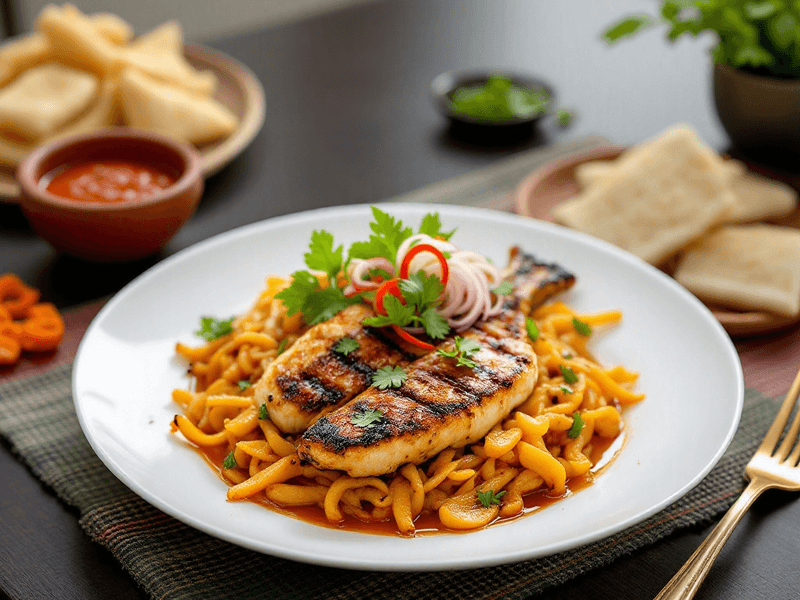
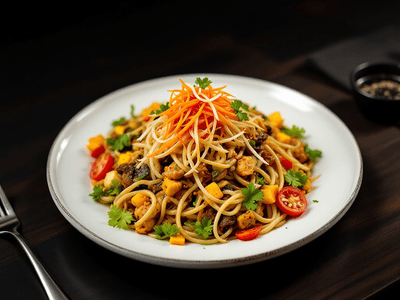
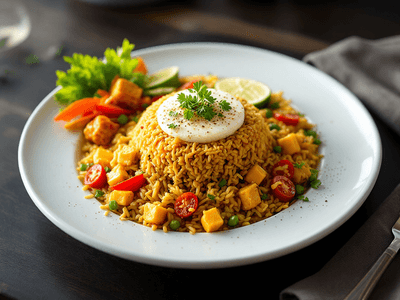
📸 Image coming soon for Nasi Pecel
Nasi Pecel
Makan Siang • Indonesia
Tentang Nasi Pecel
Nasi Pecel adalah hidangan khas Jawa Timur yang terdiri dari nasi putih yang disajikan dengan aneka sayuran rebus, lalu disiram sambal kacang yang gurih dan sedikit pedas. Di warung atau kaki lima, menu ini biasanya dihidangkan bersama lauk tambahan seperti tempe goreng, tahu, atau rempeyek. Pecel menjadi pilihan populer untuk makan siang, terutama bagi yang mencari menu sederhana dan murah meriah, karena mudah ditemukan di kota-kota seperti Madiun atau Surabaya. Dalam 100 gram, Nasi Pecel mengandung sekitar 140 kalori, dengan protein sebesar 6 gram, karbohidrat 22 gram, lemak 4 gram, dan serat 3 gram. Kandungan serat dari sayuran dan kacang membuat hidangan ini cukup mengenyangkan tanpa terlalu berat. Jika ingin menjaga asupan kalori, hindari penambahan lauk gorengan atau rempeyek yang bisa menaikkan kadar lemak dan kalori. Menu utama Nasi Pecel, jika dinikmati tanpa tambahan banyak lauk, cocok bagi vegan dan halal-safe. Untuk porsi sedang, biasanya satu piring di warung berkisar 250-300 gram, sehingga patut diperhatikan bagi yang memantau asupan kalori (kalori nasi pecel).
How to Make Nasi Pecel (Traditional & Healthy Version)
Nasi Pecel is an iconic vegetarian dish from Java, Indonesia, beloved for its harmonious blend of steamed rice, blanched mixed vegetables, and a distinctive, aromatic peanut sauce. Rooted deeply in Javanese culture, this meal is a staple lunch option in homes and warungs (local eateries) across the region. Its popularity comes from its simplicity, affordability, and the satisfying yet light feeling it leaves. Nasi Pecel is known for its vibrant flavors—the creamy peanut sauce is subtly spicy, sweet, and fragrant with kaffir lime and galangal, making it an unforgettable culinary experience. Traditionally enjoyed during festive gatherings and as a daily comfort food, Nasi Pecel is also an excellent showcase of Indonesia's rich culinary heritage. The dish is customizable—vegetables can vary by season, but usually include long beans, spinach, bean sprouts, and cabbage, all lightly blanched to retain nutrients and crunch. Its wholesome ingredients, vegetarian nature, and bold taste make Nasi Pecel not just a beloved Indonesian classic, but also a healthy, international-friendly choice for those exploring nutritious world cuisines.
Ingredients(for 1 plate per serving, typical Indonesian lunch portion)
- 2 cups Steamed white rice (nasi putih)
- 1 cup Long beans (cut into 4 cm pieces, 'kacang panjang')
- 1 cup Spinach (washed and chopped, 'bayam')
- 1 cup Bean sprouts (washed, 'toge')
- 1 cup Cabbage (sliced, 'kol')
- 1/2 cup Cucumber (sliced, optional garnish) - optional
- 1/2 cup Roasted peanuts (unsalted, 'kacang tanah')
- 1 Red chili (adjust for heat preference, 'cabai merah')
- 1 clove Garlic (peeled, 'bawang putih')
- 2 Kaffir lime leaves ('daun jeruk purut')
- 1 tbsp Tamarind water (from 1/2 tsp tamarind paste)
- 1 tbsp Palm sugar (grated, 'gula jawa')
- 1/2 tsp Salt
- 1/4 cup Warm water (to adjust sauce consistency)
Instructions
- 1
Prepare all vegetables by washing thoroughly. Cut long beans and cabbage as indicated.
5 minutes
Use fresh, organic vegetables for maximum nutrients.
- 2
Bring a pot of water to a boil. Blanch long beans, spinach, bean sprouts, and cabbage separately for 1-2 minutes each, just until bright and slightly tender. Drain and set aside.
10 minutes
Do not overcook; vegetables should remain crisp.
- 3
Prepare the peanut sauce: In a food processor or mortar and pestle, grind roasted peanuts, red chili, garlic, and kaffir lime leaves until smooth.
5 minutes
Traditional method uses mortar and pestle for authentic texture.
- 4
Add tamarind water, palm sugar, salt, and warm water to the peanut mixture. Mix until a thick, pourable sauce forms. Adjust water as needed.
3 minutes
Taste and balance with extra salt, sugar, or tamarind if desired.
Why This Dish is Healthy
This Indonesian Nasi Pecel recipe is a healthy choice because it emphasizes steamed vegetables, plant-based protein, and minimal oil. The peanut sauce uses natural sweeteners and is free from artificial additives. Serving vegetables blanched keeps maximum nutrients intact, making it a wholesome, low-calorie option for a nutritious lunch.
Nasi Pecel is naturally rich in plant-based protein and fiber, thanks to its combination of peanuts and a variety of vegetables. Peanut sauce provides healthy fats, vitamin E, and magnesium, while the mixed vegetables offer vitamins A, C, and K, as well as folate and antioxidants. The low saturated fat and absence of cholesterol make it suitable for heart health. With steamed rice as the carbohydrate base, this dish delivers balanced macros for sustained energy.
Pro Tips
- 💡Tip 1: Toast peanuts before grinding for a deeper flavor.
- 💡Tip 2: Blanch each vegetable separately to preserve individual flavors.
- 💡Tip 3: Adjust peanut sauce consistency with water for drizzling or dipping.
Storage & Serving
Keep peanut sauce and vegetables separate in airtight containers in the refrigerator for up to 2 days. Assemble just before serving for best texture. Rice can be stored similarly and reheated as needed.
Best served: Lunch
Nutrition Facts
| Nutrient | Per 100g |
|---|---|
| Energy | 140.0 kcal |
| Protein | 6.0 g |
| Carbohydrates | 22.0 g |
| Total Fat | 4.0 g |
| Fiber | 3.0 g |
Cultural Notes
Nasi Pecel adalah menu legendaris di Jawa Timur, dikenal sebagai sajian sehat, sederhana, dan mudah ditemukan di warung maupun kaki lima.