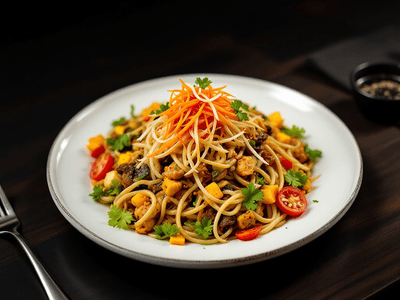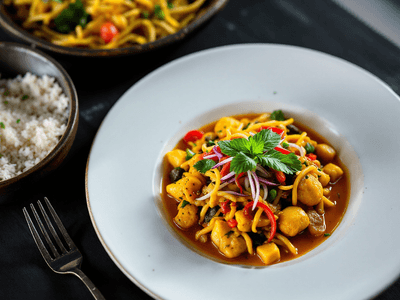
Sayur Lodeh
Makan Siang • Indonesia
Tentang Sayur Lodeh
Sayur Lodeh adalah lauk khas Jawa Tengah dan Yogyakarta yang biasa ditemukan di warung makan dan kaki lima, terutama saat makan siang. Sup berbasis santan ini berisi aneka sayuran seperti terong, labu siam, kacang panjang, dan wortel, sering ditambah tahu atau tempe sebagai pelengkap protein. Kuahnya yang gurih dan sedikit manis menjadikan sayur lodeh cocok disantap bersama nasi hangat, kadang dipadu dengan kerupuk atau lauk lain seperti sambal goreng kentang. Dilihat dari kandungan gizi per 100 gram, energi sebesar 80 kcal menunjukkan sayur lodeh relatif ringan. Total lemak dan protein dari santan serta tahu menambah rasa kenyang tanpa terlalu berat, meski tetap perlu diperhatikan jika Anda sedang mengontrol asupan lemak. Karena tinggi serat dan sayuran, sayur lodeh cocok untuk menu makan siang yang nyaman di perut. Jika memesan di warung, Anda bisa meminta porsi sayur tanpa tambahan lauk daging agar tetap vegetarian dan lebih rendah kalori. Secara umum, sayur lodeh menjadi pilihan sehat jika dimakan dalam porsi sedang dan tidak berlebihan, terutama untuk yang ingin menikmati makan siang praktis di lingkungan kantor, sekolah, atau rumah.
How to Make Sayur Lodeh (Traditional & Healthy Version)
Sayur Lodeh is a classic Indonesian vegetable stew originating from the island of Java. This dish is celebrated for its comforting, creamy coconut milk broth and vibrant mix of seasonal vegetables such as eggplant, chayote, long beans, and tempeh. Traditionally served as a main course for lunch, Sayur Lodeh is both nourishing and satisfying, highlighting the fresh produce and aromatic spices central to Javanese cooking. The harmonious blend of coconut milk, lemongrass, and galangal creates a mild, subtly sweet, and fragrant soup that is beloved across households in Indonesia. Sayur Lodeh embodies the spirit of Indonesian communal dining—often enjoyed with steamed rice and crispy crackers during family gatherings or festive occasions. Its versatility allows for various vegetables based on availability, making it a sustainable and accessible choice. For those seeking a wholesome, plant-based meal with authentic Indonesian flavors, Sayur Lodeh offers a delicious and health-conscious option perfect for international palates.
Ingredients(for 1 bowl (approx. 350 ml), as typically served in Indonesia)
- 1 small Eggplant (terong) (cut into bite-size pieces)
- 1 small Chayote (labu siam) (peeled, sliced)
- 1 medium Carrot (sliced)
- 50g Long beans (kacang panjang) (cut into 5cm lengths)
- 50g Tempeh (cubed)
- 1 cup Cabbage (roughly chopped)
- 200 ml Coconut milk (santan) (light coconut milk recommended)
- 3 cloves Shallots (thinly sliced)
- 2 cloves Garlic (minced)
- 2 Candlenut (kemiri) (toasted and ground, or substitute with macadamia)
- 2 cm Fresh galangal (bruised)
- 1 stalk Lemongrass (bruised)
- 2 leaves Bay leaf (daun salam)
- 1 Red chili (sliced, optional for mild heat) - optional
- 1 tsp Salt (to taste)
- 1/2 tsp Sugar (optional, to balance flavor) - optional
- 400 ml Water
Instructions
- 1
Prepare all vegetables by washing, peeling, and cutting them as directed. Set aside.
5 minutes
Cut vegetables evenly to ensure uniform cooking.
- 2
In a pot, sauté shallots, garlic, and candlenut with a splash of water (or 1 tsp oil for extra flavor) until fragrant.
3 minutes
Use minimal oil or water sauté for a healthier dish.
- 3
Add galangal, lemongrass, and bay leaves. Stir briefly to release the aroma.
2 minutes
Bruising galangal and lemongrass helps infuse the broth.
- 4
Pour in water and bring to a gentle boil. Add hard vegetables: carrot, chayote, and tempeh. Simmer until slightly tender.
5 minutes
Add vegetables in stages based on their cooking time.
Why This Dish is Healthy
This Sayur Lodeh recipe is a healthy choice because it is entirely plant-based, free from artificial additives, and uses a variety of seasonal vegetables. The coconut milk adds creaminess with beneficial medium-chain triglycerides, while tempeh contributes protein and gut-friendly nutrients. Using minimal oil and no animal products supports a balanced diet ideal for weight management, diabetes control, and overall wellness.
Sayur Lodeh is rich in dietary fiber, plant-based protein, and essential micronutrients. The combination of various vegetables provides vitamins A, C, and K, folate, and minerals like potassium and magnesium. Tempeh adds a source of protein and probiotics, while the use of light coconut milk offers healthy fats. The dish is naturally low in cholesterol and can be made with minimal oil, making it suitable for those monitoring heart health. Its high water content aids hydration and digestion.
Pro Tips
- 💡Tip 1: Use fresh, seasonal vegetables for the best flavor and nutrition.
- 💡Tip 2: Add coconut milk last and simmer gently to maintain a creamy texture.
- 💡Tip 3: Make a large batch—Sayur Lodeh tastes even better the next day as flavors meld.
Storage & Serving
Store Sayur Lodeh in an airtight container in the refrigerator for up to 2 days. Reheat gently over low heat, stirring occasionally. Avoid boiling to keep the coconut milk from separating.
Best served: Breakfast or Lunch
Nutrition Facts
| Nutrient | Per 100g |
|---|---|
| Energy | 80.0 kcal |
| Protein | 3.0 g |
| Carbohydrates | 10.0 g |
| Total Fat | 3.0 g |
| Fiber | 2.0 g |
Cultural Notes
Sayur lodeh dikenal sebagai masakan rumahan dan menu wajib di dapur Jawa Tengah serta Yogyakarta, sering disajikan pada acara keluarga dan hari biasa.